When we speak about education in Palestinian communities, we are not merely discussing classrooms and textbooks. We are talking about preserving identity, nurturing hope, and ensuring that the next generation inherits the tools to shape their own future.
For decades, communities under occupation have understood that education is one of the most powerful forms of resistance. Every child who learns to read, every student who graduates, every teacher who returns to the classroom despite hardship — each represents a refusal to accept a narrative of defeat.
At the Center for Freedom and Justice, we have witnessed firsthand how educational initiatives transform not only individual lives but entire neighborhoods. A kindergarten that opens its doors becomes a gathering point for families. A summer camp becomes a space where children rediscover joy. A vocational program becomes a bridge to economic independence.
Yet education alone is not enough. It must be paired with dignity, safety, and community ownership. Projects imposed from outside, without local participation, rarely sustain themselves. The most enduring educational investments are those rooted in community leadership and responsive to local needs.
We believe that supporting education is supporting resilience. It is saying to children: your dreams matter, your voice matters, your future is worth building. In a context where displacement and disruption are constant threats, that message carries extraordinary weight.
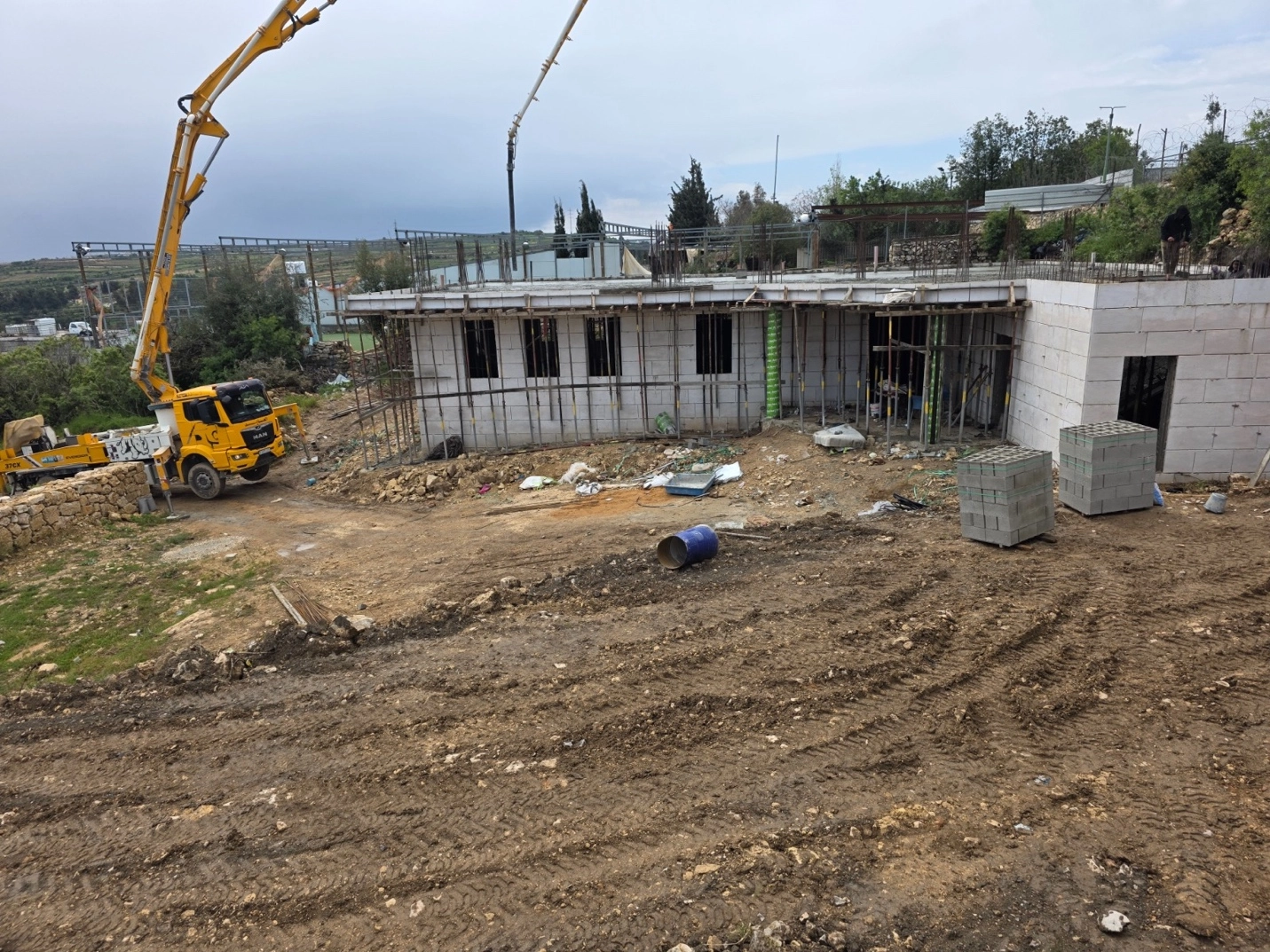
This is why CFJ continues to prioritize educational infrastructure — from early childhood centers to youth development programs. Not because education is fashionable in development discourse, but because our communities have told us, again and again, that it is what they need most.
Education as resistance is not a slogan. It is a daily practice, carried out by teachers, parents, volunteers, and children who show up despite everything. Our role is to stand beside them, amplify their efforts, and ensure that no child is left behind.