Story
Introduction
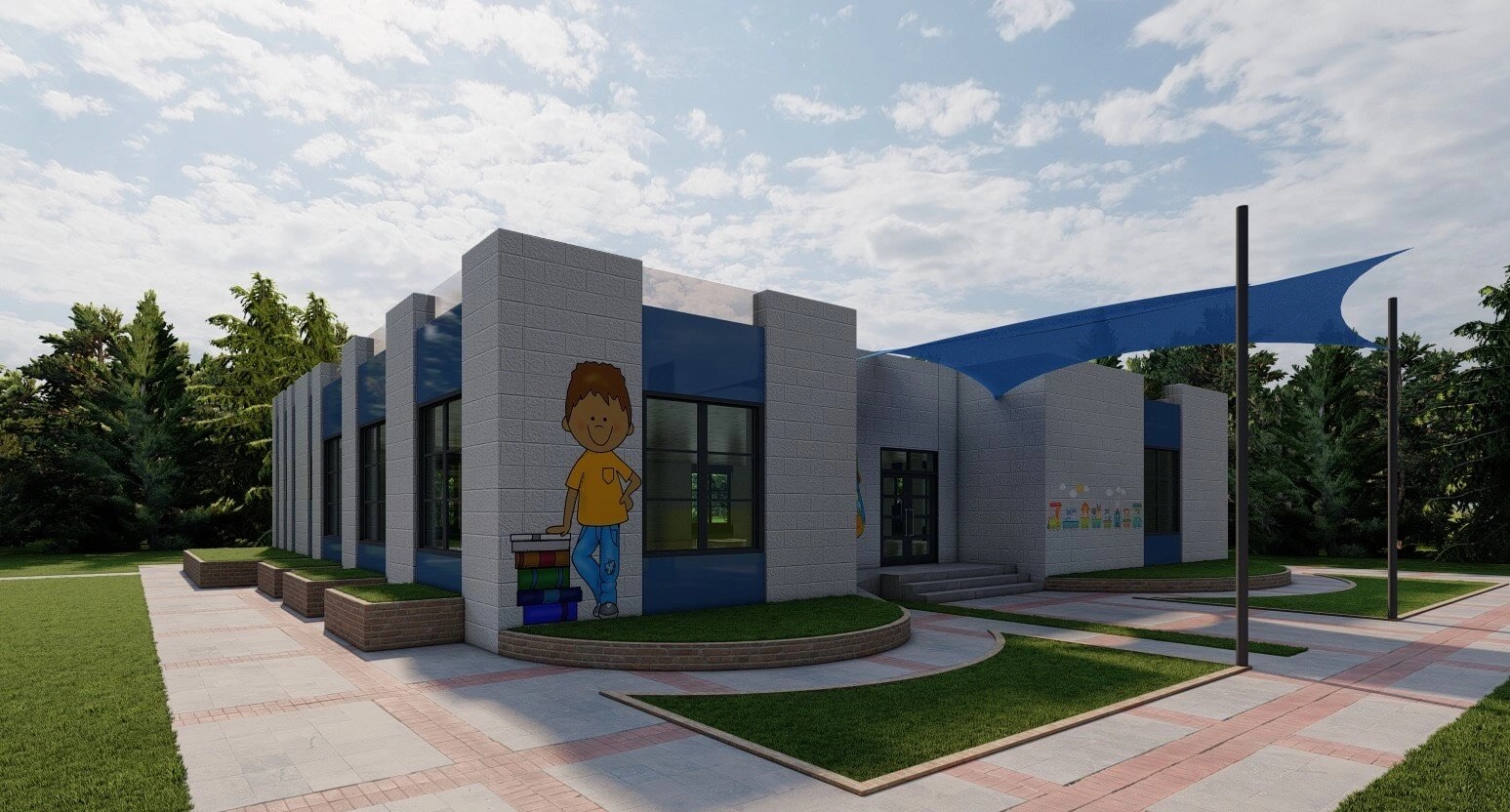
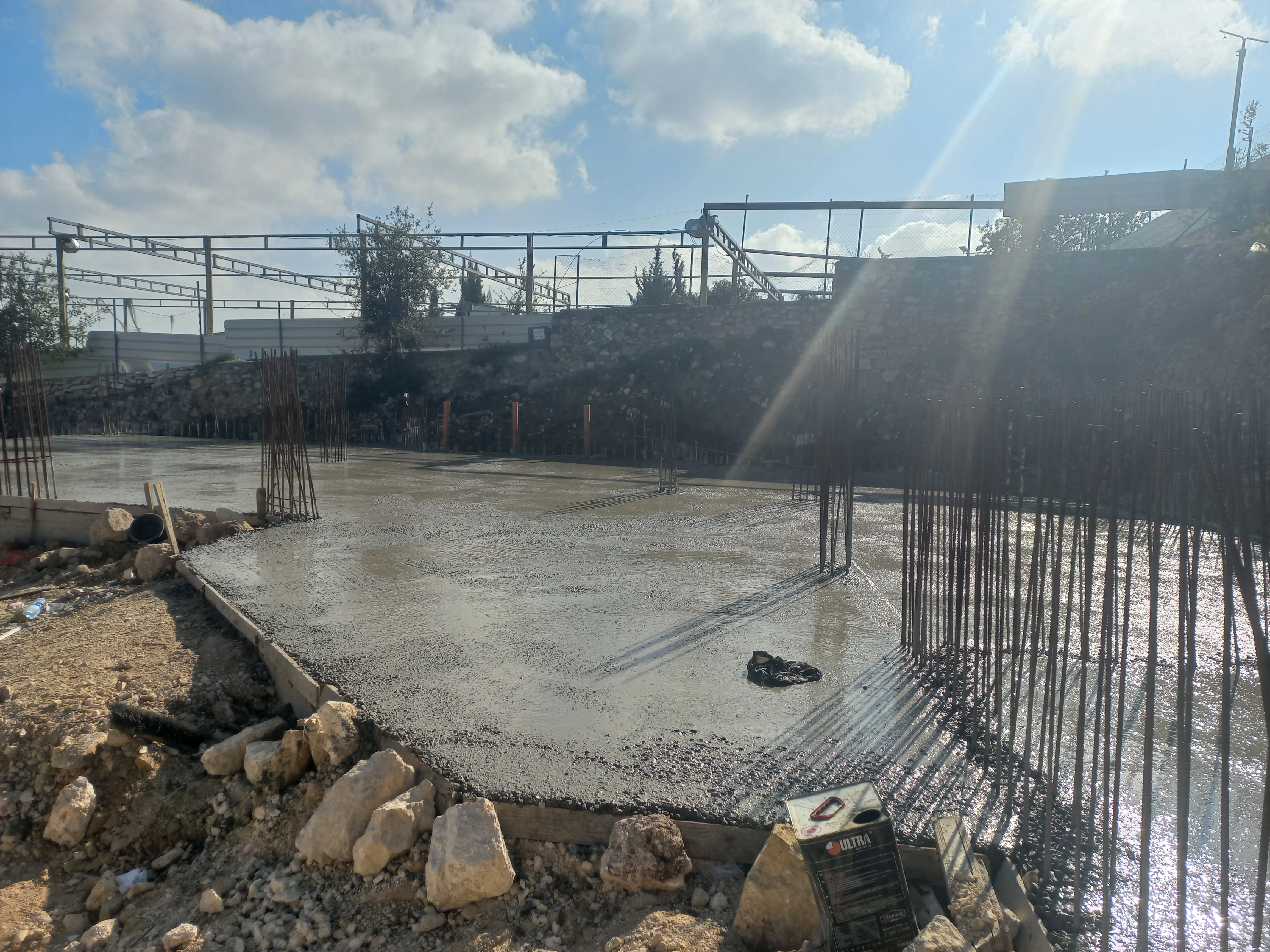
The first phase of the Beit Ummar Kindergarten project focused on laying the essential groundwork for the future development of the facility. This stage was critical, as it involved preparing the site, and ensuring that the foundation was properly established for the kindergarten's long-term stability and durability. That done by marking the land, conducting excavations, clearing the land from debris and flatten it, finally laying the concrete foundation. This foundational work is a critical component in the successful completion of the overall project.
Case
Before any construction could begin, a suitable plot of land had to be acquired. The original site lacked proper infrastructure, and its uneven land presented significant challenges for safe construction. Additionally, the absence of a proper drainage system posed the risk of water damage during the rainy season. Addressing these issues was essential for ensuring a secure and long-lasting foundation.
Solutions
The first phase challenge was to prepare the land for construction. The project teem began by making detailed site assessments to evaluate its suitability for building. The first step was to mark the land and start clearing and leveling the ground, followed by excavation work to prepare for the construction of reinforced concrete foundation. The project team also took measures to install an effective drainage system to protect the site from potential environmental damage.
Activities
The activities undertaken during this phase were extensive and required careful planning.
- Marking the Land: the first step was to marking the land which done by Engineers using surveying tools to mark the layout of the building on the land. This will ensure that the kindergarten’s structure would be positioned correctly according to the architectural plans. This process included defining the boundaries of the building and marking key points for the foundation.
- Site Preparation: The land was uneven and required substantial grading to make it suitable for construction. Specialized machinery was used to level the ground, ensuring a flat surface for laying the foundation.
- Foundation Laying: One of the most critical tasks in this phase was the laying of a reinforced concrete foundation. The concrete used was carefully selected to ensure it could withstand the weight of the building and meet international safety standards. Steel reinforcements were placed within the concrete to enhance its strength and durability.
- Drainage Installation: A drainage system was installed to protect the site from flooding and water damage. This system was designed to divert rainwater away from the foundation, ensuring the long-term stability of the building.
- Material Procurement: A significant part of the activities involved sourcing construction materials from local suppliers. The team procured high-quality cement, steel, and other essential materials needed for the foundation work. This not only ensured the quality of the construction but also provided economic benefits to local businesses.
Results
Achieved Outcomes
The first phase of the project was successfully completed, with the land marked, the ground leveled, and the foundation laid. The site is now fully prepared for the second phase of construction, which will involve building the walls, roof, and internal infrastructure. This first phase was completed on time and within budget, providing a solid base for the next steps.
Social Impact
The marking of the land and the completion of the foundation have already begun to positively affect the local community. The successful start of the project has instilled confidence among community members, who now see solid progress toward a modern, child-friendly educational facility. Community members have expressed excitement about the project, and their continued involvement is expected as the project moves into the second phase.
Economic Impact
The first phase generated employment for local construction workers and boosted the local economy by purchasing materials from nearby suppliers. As the project moves forward, it will continue to create jobs and stimulate economic growth in the region, making the kindergarten a key driver of local development.
Conclusion
The completion of the first phase of the Beit Ummar Kindergarten project has laid the groundwork for the future of the facility. With the land marked and the foundation set, the project is well-positioned to move into its next phase, which will involve constructing the building’s structure. The success of this initial phase ensures that the community will soon benefit from a modern educational facility, creating new opportunities for children and contributing to the region’s overall development.