Story
Introduction
The "Nonviolence and Agricultural Cooperation in Palestine" project, initiated by the Center for Freedom and Justice (CFJ) and supported by the French Foundation (MAN), focused on reclaiming and rehabilitating over 27 Dunams of agricultural land in Area C, West Bank. The project aimed to prevent land confiscation by Israeli settlements through nonviolent resistance and agricultural development, empowering local farmers and enhancing community resilience.
Case
Palestinian farmers in Area C face continuous threats of land confiscation due to the proximity of Israeli settlements. The constant harassment and encroachment by settlers have led to a dire need for initiatives that not only protect the land but also ensure its productive use. The "Nonviolence and Agricultural Cooperation in Palestine" project was conceived to address these challenges by supporting farmers in reclaiming and cultivating their threatened lands.
Solutions
The solution involved a comprehensive approach combining land reclamation, agricultural development, and nonviolent resistance. By rehabilitating the land, installing efficient irrigation systems, and training farmers in modern techniques, the project aimed to secure the land from confiscation and promote sustainable agriculture. This strategy empowered local farmers to remain on their land, resist through cultivation, and improve their socio-economic conditions.
Activities
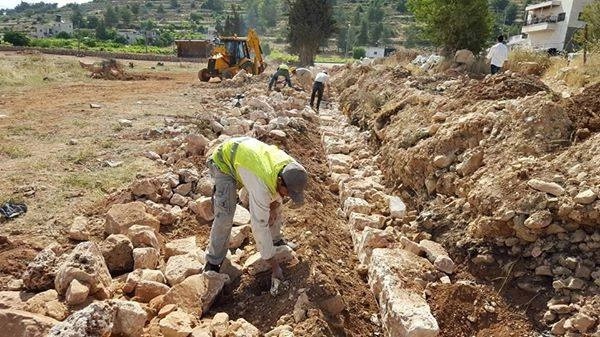
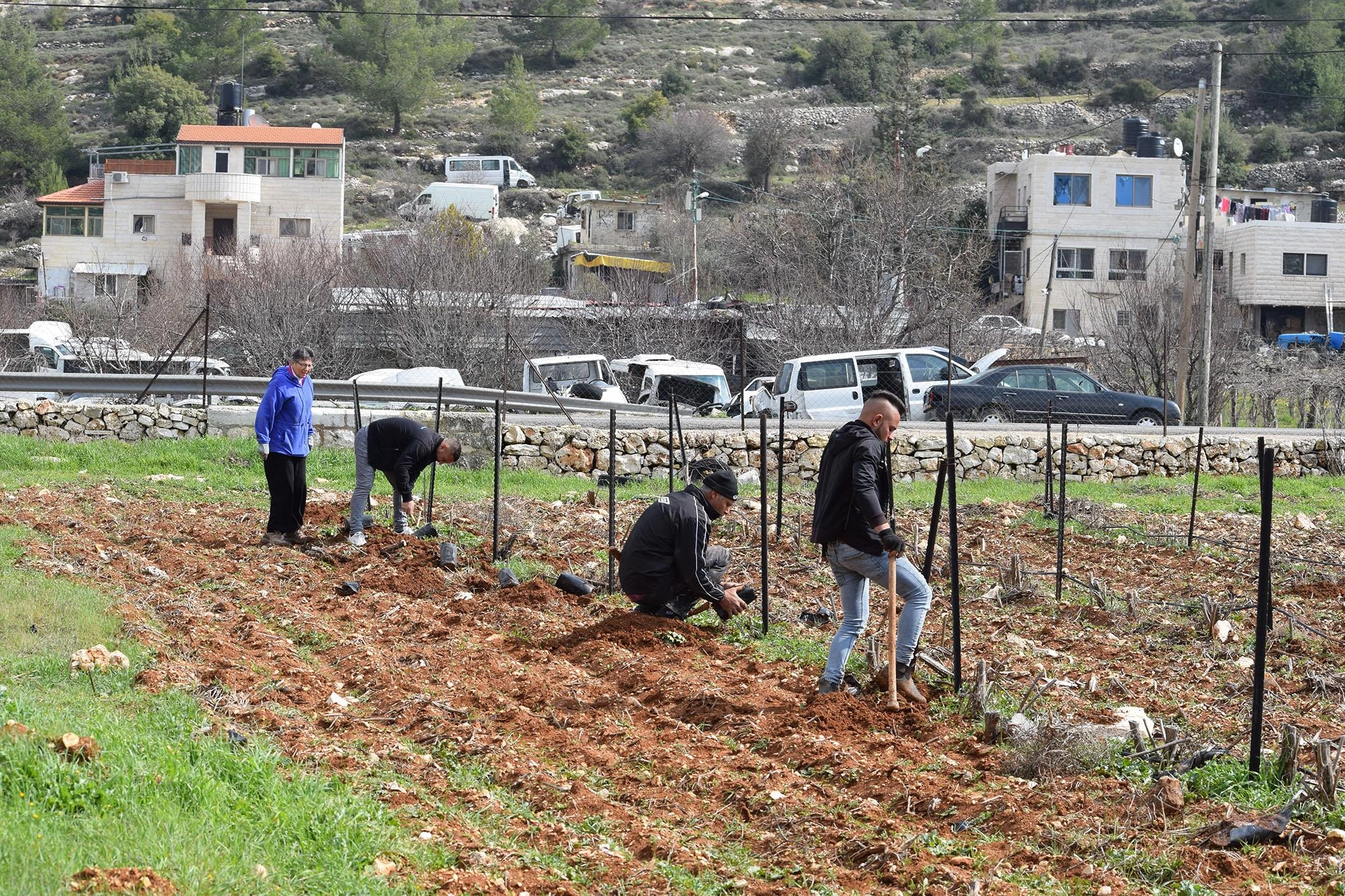
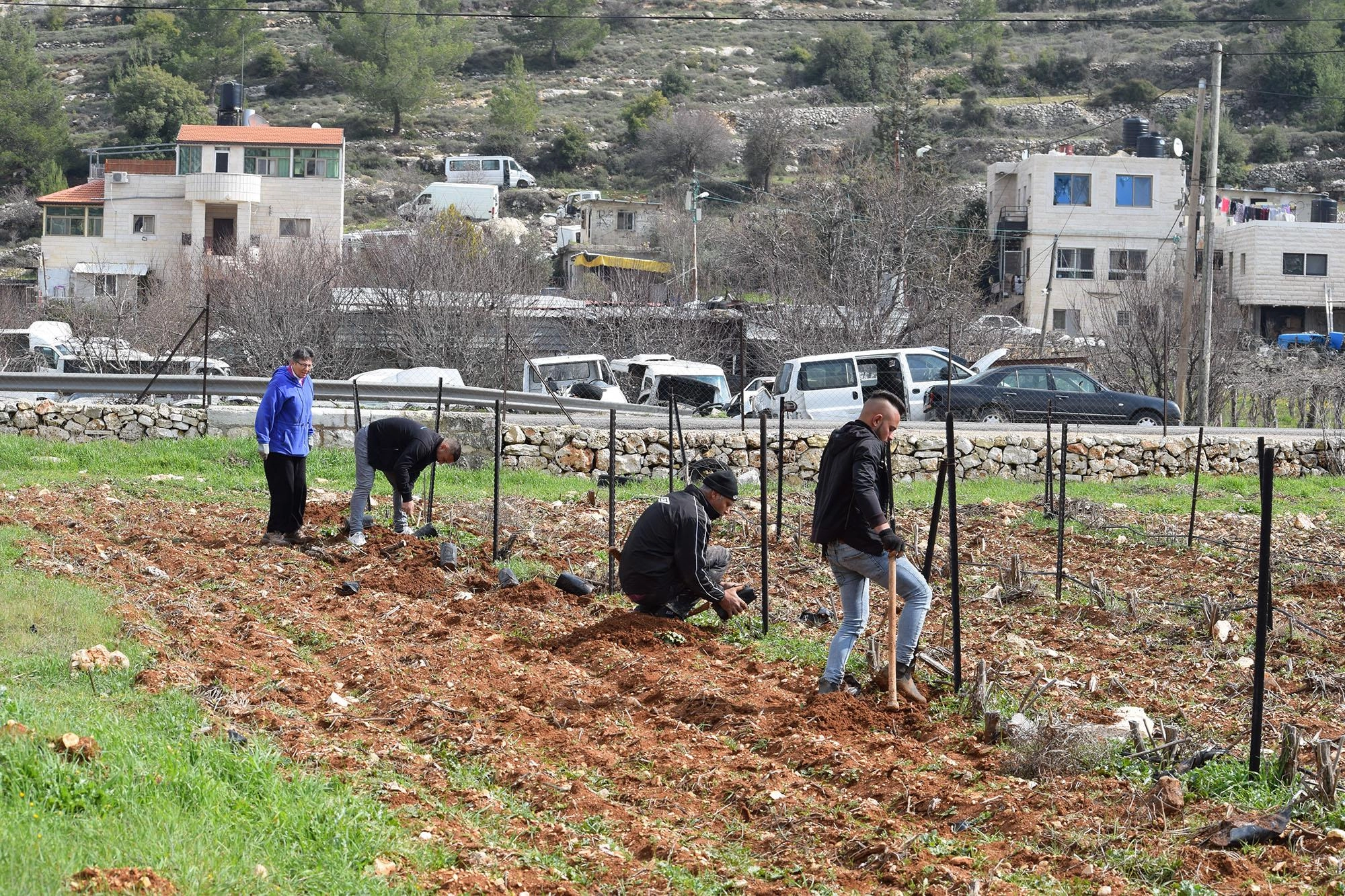
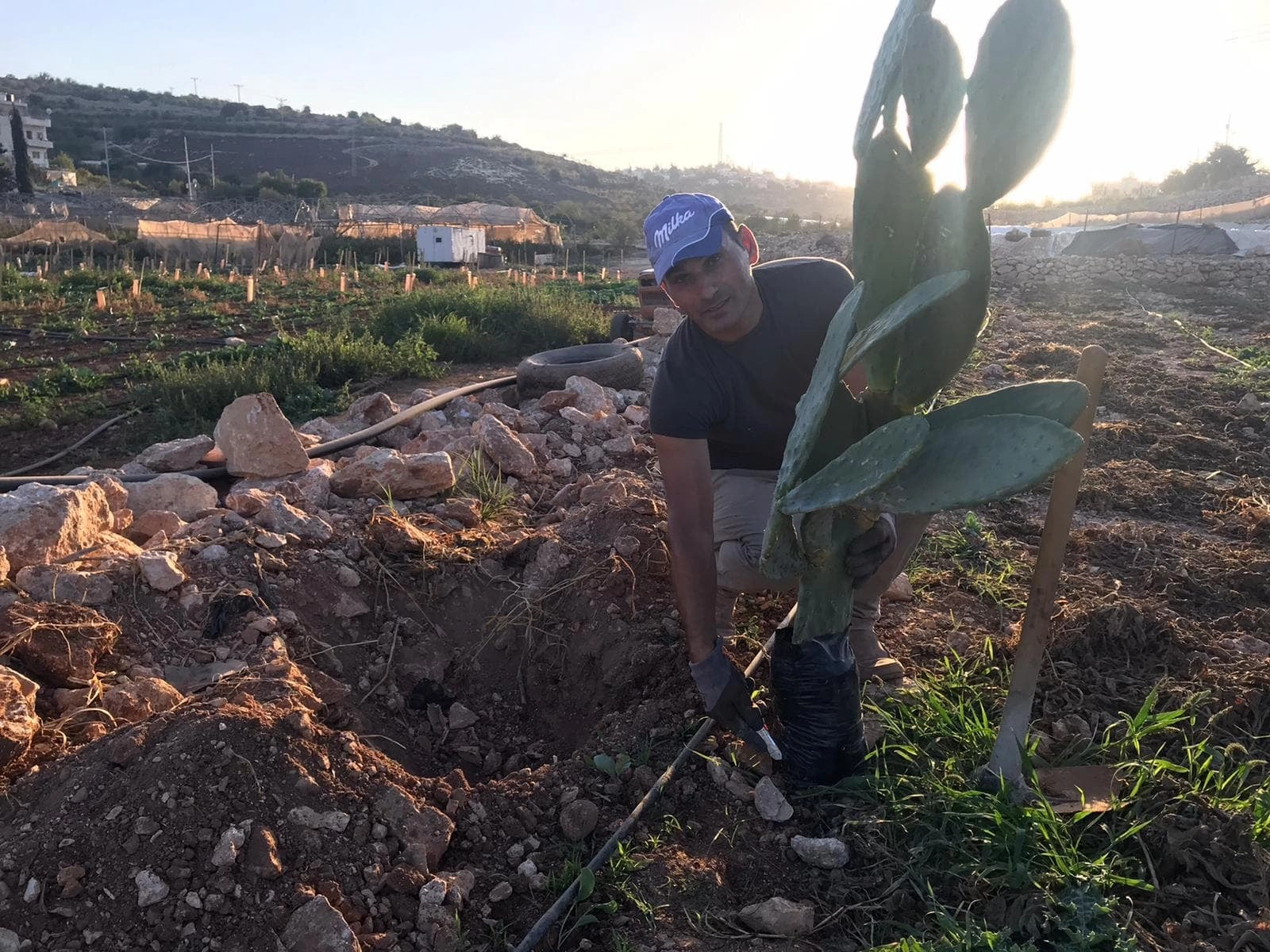
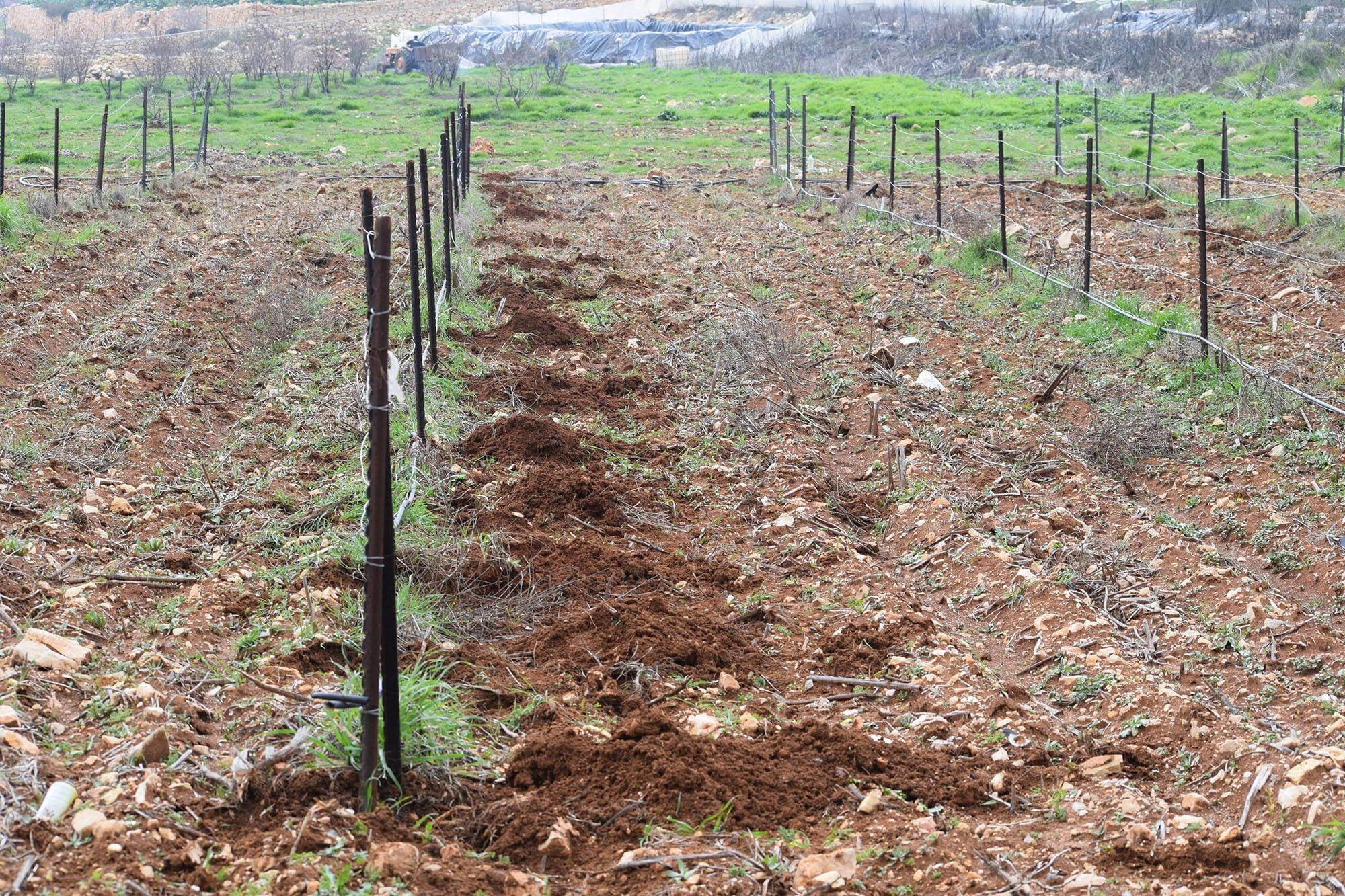
Key activities included land cleaning, soil tillage, deep plowing, and the construction of stone retaining walls to prevent erosion. The project also involved the installation of irrigation systems, selection and planting of crops like grapes and almonds, and organizing farmer training programs. Regular monitoring, evaluation, and community engagement were integral to the project's success.
Results
Achieved Outcomes
The project successfully reclaimed and cultivated over 27 Dunams of agricultural land, planted 1,600 grape and almond trees after the reclamation and plowing was done, which took us a year, and this work significantly increased agricultural productivity. Local farmers benefited from improved incomes, strengthened resilience against land confiscation, and enhanced cooperation through collective agricultural efforts.
Social Impact
The project fostered a sense of ownership and solidarity among Palestinian farmers, reinforcing nonviolent resistance as a means to protect their land and livelihoods. By empowering the community through sustainable agricultural practices and collaborative efforts, the initiative contributed to the broader goal of achieving justice and freedom for the Palestinian people.
Economic Impact
The project generated substantial income for local farmers by improving agricultural productivity and enabling them to exploit the outputs of crops like grapes and almonds. This economic boost helped offset the financial burdens imposed by the occupation, contributing to the overall socio-economic development of the region.
Conclusion
The "Nonviolence and Agricultural Cooperation in Palestine" project exemplifies the Center for Freedom and Justice's dedication to sustainable development, nonviolent resistance, and community empowerment. Through land reclamation and agricultural cooperation, the initiative has protected livelihoods, fostered socio-economic growth, and strengthened the resilience of Palestinian farming communities.