Story
Introduction
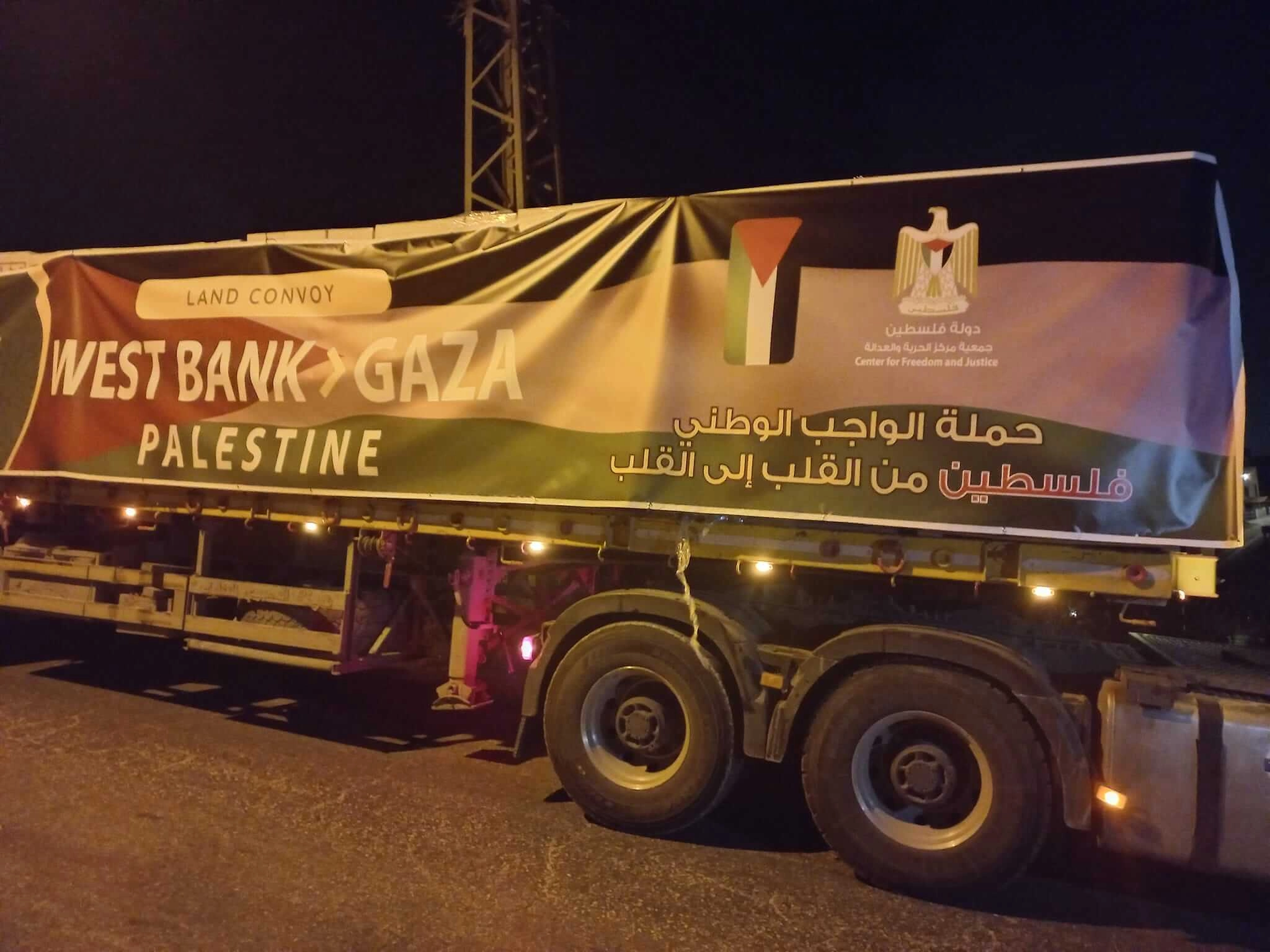
The "West Bank to Gaza Food Aid Convoy" is a strategic humanitarian initiative created by the Center for Freedom and Justice (CFJ) to respond to the urgent food crisis in Gaza. The prolonged conflict and the severe blockade have left many families struggling to access basic necessities. This project represents a concerted effort to address those challenges by transporting food aid from the West Bank to the Gaza Strip, ensuring that those in the greatest need receive the life-saving nutrition required to survive in such difficult conditions.
Case
The humanitarian crisis in Gaza has worsened due to ongoing conflict and the prolonged blockade, which has crippled access to food and basic supplies. Thousands of families are suffering from acute food insecurity, leading to widespread malnutrition, especially among children and the elderly. The lack of safe and reliable supply routes has made it difficult to provide the necessary aid. This situation needed an immediate and coordinated effort to bring relief to those facing severe hunger and malnutrition, making the food aid convoy a vital intervention.
Solutions
In response to the escalating food crisis, the Center for Freedom and Justice devised a solution to dispatch emergency food convoys from the West Bank to Gaza. By sourcing food locally in Bethlehem, the project supported Palestinian traders while ensuring the quality and freshness of the food parcels. The aid was transported through established land routes, with all necessary permits and security clearances obtained in collaboration with the Palestinian Authority and other governing bodies. This structured logistical framework ensured that the food reached Gaza in a timely and efficient manner, bypassing many of the usual barriers faced in conflict zones.
Activities
The activities involved in the project were multi-faceted and required detailed planning, execution, and coordination. These include:
- Procurement and Packaging: The food parcels were carefully sourced from local traders in Bethlehem. This ensured the quality of the supplies, and also supported the local economy. The items were chosen based on their nutritional value, shelf life, and the specific needs of the beneficiaries in Gaza. The packaging process was equally meticulous, with food being packed to maintain freshness and to withstand transportation.
- Transportation and Logistics: One of the key challenges of the project was organizing a secure and efficient transportation route. the Center for Freedom and Justice worked closely in coordination with the Palestinian Authority and the Israeli Civil Administration, efforts were made to ensure that the convoys passed through checkpoints and border crossings without delay. The transport routes covered key border points, starting from the Tarqumiyah crossing in the West Bank and passing through the Erez crossing into Gaza. Additionally, aids were allowed to enter through Erez, Zikim, and Karm Abu Salem crossings. Each truck was loaded with approximately 1000 food parcels, and the convoy was carefully managed in cooperation with the Al-Sahaba Medical Center in Gaza to ensure the safe delivery of the aid.
- Permitting and Compliance: Given the sensitive nature of transporting aid across conflict zones, it was crucial to secure the necessary permits. The Center for Freedom and Justice obtained clearances for the convoy from the relevant authorities, including permits from the Israeli Civil Administration, ensuring smooth passage through Israeli-controlled borders. Additionally, strict compliance with local and international humanitarian standards was maintained throughout the operation.
- Documentation and Reporting: To maintain transparency and accountability, the Center for Freedom and Justice meticulously documented every step of the process. This included recording all permits, keeping detailed logs of the food parcels distributed, and maintaining a comprehensive database of the beneficiaries. The documentation also included photos, videos, and official reports, ensuring that donors and partners could track the progress and success of the project.
These activities combined to form a robust and efficient aid distribution system that ensured the food reached those most in need, despite the logistical and security challenges.
Results
Achieved Outcomes
The project successfully delivered essential food supplies to approximately 2000 Gazan families, benefiting around 10,000 individuals. This immediate relief effort addressed the critical food shortages in the region, providing life-saving nutrition to those most affected by the ongoing conflict. The success of the convoy demonstrated the effectiveness of well-coordinated humanitarian efforts in reaching conflict zones.
Social Impact
The project had a profound social impact on the Gazan community. By addressing immediate food insecurity, the convoy directly alleviated the suffering of thousands of families. Furthermore, it strengthened ties between communities in the West Bank and Gaza, fostering solidarity and a shared sense of purpose in responding to humanitarian crises. The project also sent a powerful message of hope to the affected populations, showing that despite the challenges, coordinated efforts can bring tangible relief.
Economic Impact
The economic impact of the project extended beyond Gaza. By sourcing food supplies locally from traders in Bethlehem, the project supported the Palestinian economy, providing a boost to businesses affected by the conflict. In Gaza, the aid helped stabilize the local economy by reducing the immediate pressure on families who were struggling to purchase basic necessities. This relief indirectly supported the local markets by allowing families to redirect their limited resources to other essential needs.
Conclusion
The economic impact of the project extended beyond Gaza. By sourcing food supplies locally from traders in Bethlehem, the project supported the Palestinian economy, providing a boost to businesses affected by the conflict. In Gaza, the aid helped stabilize the local economy by reducing the immediate pressure on families who were struggling to purchase basic necessities. This relief indirectly supported the local markets by allowing families to redirect their limited resources to other essential needs.