
A Journey from Jerusalem to Jenin
The spark was ignited in the historic heart of Jerusalem in the year 2000. For Tariq Jarrar, his artistic journey began on the grand stage of the National Theater, stepping into the spotlight with a bilingual performance woven from French and Arabic. It was a profound debut that set the course for his life. By 2001, Tariq brought this burning passion to the Arab American University, where he assumed leadership of the drama team. More than just a student, he became a cultural organizer, gathering creative minds into a unified ensemble. Together, they gave voice to the voiceless, staging a powerful, mute theatrical performance that captured the raw emotion and history of the 1948 refugees.
Art as a Catalyst for Change
As the regional landscape shifted under the weight of the Second Intifada, Tariq found himself navigating the realities of conflict, working as an interpreter for the renowned French newspaper, Le Monde. Yet, even amidst the chaos, his conviction never wavered: theatre was not mere entertainment—it was a vital catalyst to expose, dissect, and heal the deepest fractures within a community. Recognizing his devotion, international friends sent him literature to fuel his mind. Among these treasures was Harold Pinter's The Universe of Fragments. Delving deep into Pinter's complex character psychology, structural symbolism, domestic power dynamics, and identity crises, the text became an invaluable masterclass for Tariq in how the mechanics of drama operate.
His intellectual pursuit led him to challenge himself with Pinter's masterwork, The Caretaker, in its original English. While the dense, subtle layers of the text were initially enigmatic, diving into deep analytical critiques brought sudden clarity. This breakthrough transformed his understanding of performance art forever.
After graduating in 2007 with a bachelor's degree in marketing, Tariq's path led him away from the West Bank town of Jenin and into the vibrant, cosmopolitan cityscape of Dubai. Far from leaving his passions behind, he instantly immersed himself in the Dubai Drama Group. Surrounded by expansive libraries and limitless literary resources, Tariq expanded his creative horizons, channeling his experiences into English poetry, essays, and scriptwriting—all while holding onto a lifelong dream of one day directing his own play.
Returning Home to Jenin
That dream came full circle in 2016 when Tariq made the decision to return home to Jenin. Fuelled by a deep commitment to grassroots peace activism, he crossed paths with Mousa Abu-Maria, the dedicated director of the Center of Freedom and Justice in Beit Ummar. It was a meeting of minds and missions. Every summer, the center hosts an annual youth camp, creating a safe, vibrant haven for West Bank children to discover their potential through sports, creativity, and expression. Under the umbrella of the center, Tariq took charge of a transformative English-language theatre workshop.
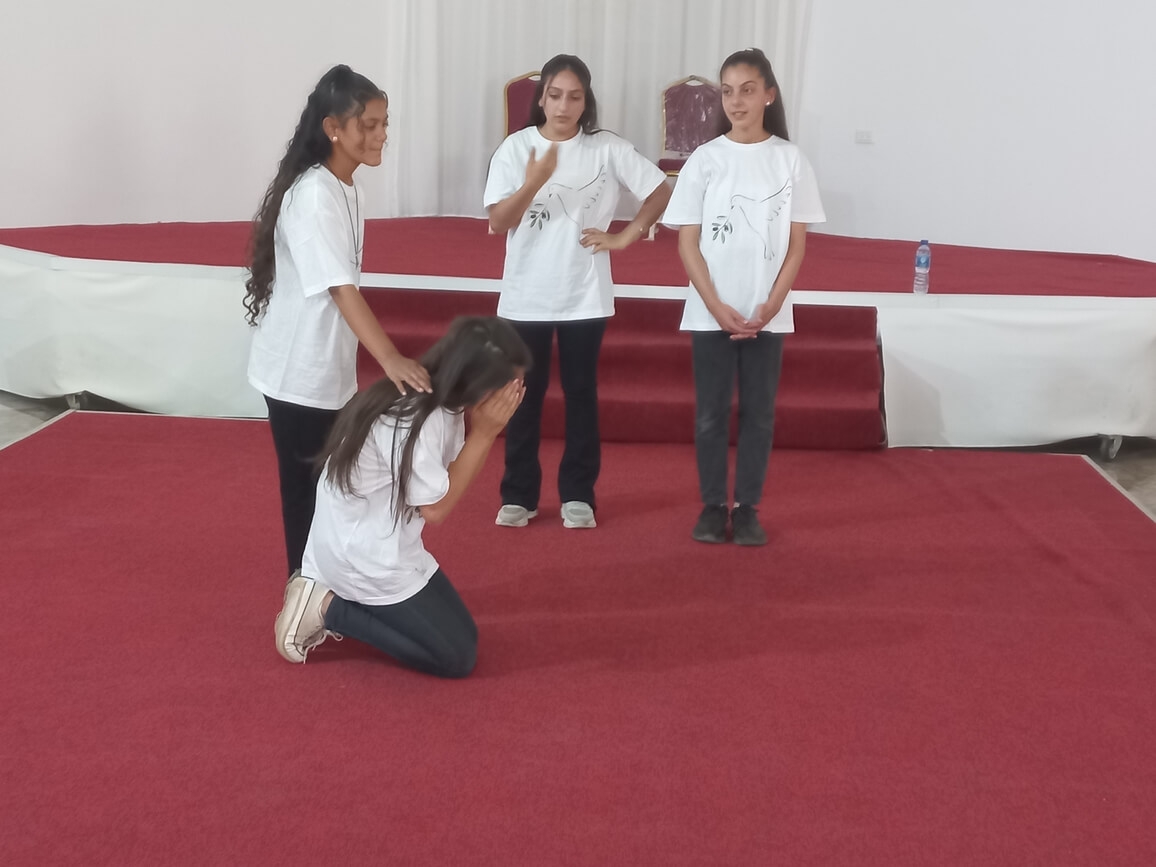
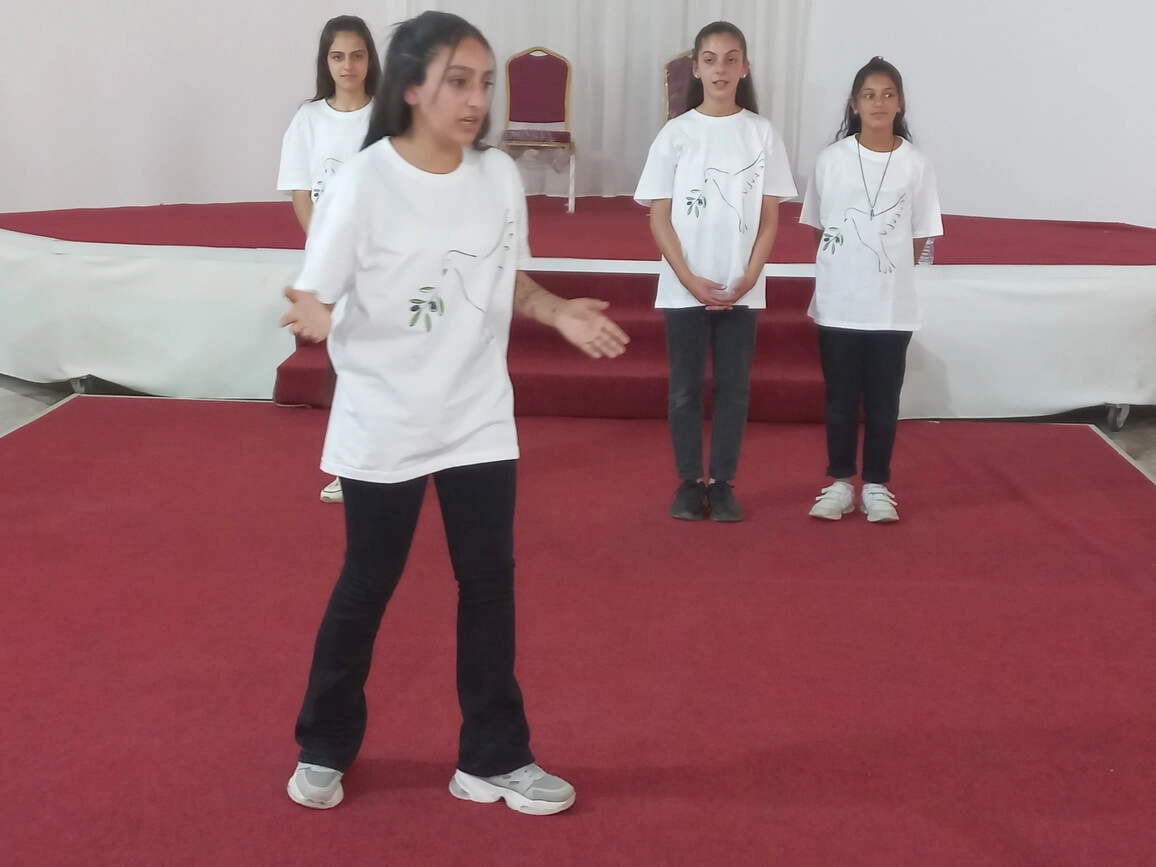
Faced with a lively group of 25 to 30 eager children, Tariq sought out a dedicated core group willing to fully commit to a theatrical production: a play titled The Lost Town. Through this collaboration, he didn't just teach the fundamentals of performance; he instilled a profound truth in his young actors. He showed them that the stage is a powerful vessel for social messaging. In Tariq's own words, a play must bravely hold up a mirror to a community's struggles, because "part of recognition of the problem is as close as we can get to resolve it." Through art, Tariq and his young troupe continue to take the first steps toward healing, one performance at a time.